
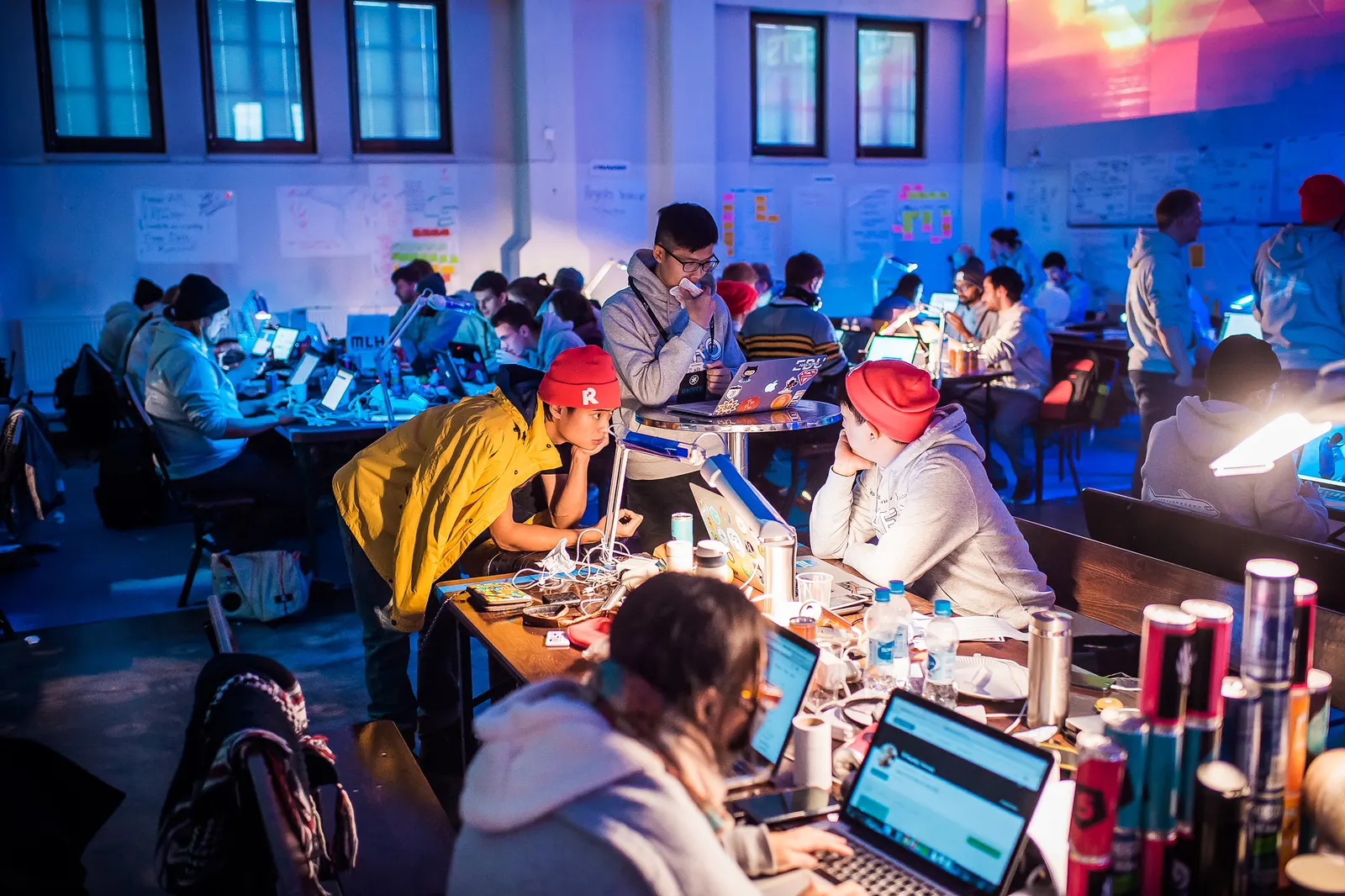
A trend to watch: developer ecosystem programmes
Connect programmes into a coherent ecosystem
Build a developer ecosystem by connecting programmes, support and integration opportunities rather than adding up isolated events. Electric Capital’s 2024 Developer Report describes open-source developer activity and notes that one in three crypto developers works on multiple chains. We use that historical observation as context for a trend to watch, not as a current market measurement. Each programme still needs to establish its own audience and relevance rather than assume access to everyone described in the report.
Define the role and next step for each initiative
- Programme role: is a hackathon intended for exploration, a grant for support or an integration initiative for product alignment?
- Audience fit: which building task matches your existing technical capabilities and the guidance actually available?
- Follow-up: who contacts teams after an event, and which specific next step can that person offer?
- Selection: are conditions, assessment and contact points understandable without implying that an award is guaranteed?
Kryptonite executes your programme communications
Kryptonite maps the programmes with your ecosystem team and executes their communications. We produce calls for participation, participant information, assessment explanations and follow-up content. Hackathon messaging reflects the guidance available; grant communications distinguish application, assessment and support. Integration communications cover confirmed capabilities only. This is programme execution, not a replacement for a technical quickstart or an investigation into why visitors abandon documentation.
For developer ecosystem programmes, we create a claim register linking each public statement to evidence, a subject owner and a review point. We distinguish what is available, what works only under defined conditions and what remains a plan. Product owners check technical accuracy; where relevant, we involve your own legal and compliance teams in reviewing the wording. Marketing language does not replace their assessment. Following approval, we publish and operate the materials or hand them over ready to use with documentation. We also record which product changes require the copy to be reviewed again. Each experiment changes a named element of the narrative so that responses can be interpreted without implying causality that the test design cannot establish. The handover includes both approved wording and unresolved questions, rather than leaving the next team to reconstruct those decisions from campaign files.
Operational materials for your ecosystem team
- A programme matrix identifying the purpose, audience, responsible owner and concrete next step for each initiative.
- A managed call for participation with selection conditions, available help and approved answers to participant questions.
- A participant follow-up sequence that also provides a clear conclusion when an application does not proceed.
- A programme dossier containing the editorial calendar, escalation arrangements and documentation needed for an operational handover.
Example scenario: from hackathon to ongoing support
Imagine a fictional infrastructure team planning a hackathon and a separate support programme. Before publication, we would establish which teams can request a conversation after the event and who will conduct it. The call would not imply funding that has not been confirmed. This invented example illustrates the connection between initiatives; it reports no participant numbers, awards or completed integrations and does not describe an existing client engagement.
Balance participation against available guidance
- Relevant participation: we compare proposed building tasks with programme objectives rather than counting registrations alone.
- Follow-up coverage: we check that interested teams receive an answer without promising everyone a place.
- Subsequent activity: we record agreed milestones but do not describe a registration as a working application.
- Support workload: we balance reach against available specialist guidance rather than issue invitations the team cannot support.